
The historical evolution of gambling from ancient rituals to modern technology Minimum Deposit Casinos
The Origins of Gambling
The roots of gambling can be traced back to ancient civilizations, where it played a significant role in cultural and religious practices. In ancient China, around 2300 B.C., tiles were found that were believed to be used for a rudimentary game of chance. Similarly, the Romans engaged in various forms of betting, often linked to gladiatorial contests and chariot races, which showcased their affinity for risk and competition. Today, players can also explore a range of options at $1 Deposit Casino, where low initial investments enable a fun gambling experience without a heavy financial burden.

In these early societies, gambling was not merely a means of entertainment; it often carried spiritual significance. Ritualistic games, often involving the casting of lots, were used to invoke divine favor or decide important matters, demonstrating how deeply intertwined gambling was with the cultural fabric of the time.
The Evolution Through the Ages
As societies progressed, so too did the forms of gambling. The Middle Ages saw the rise of card games, which quickly spread across Europe. These games evolved, becoming more structured and regulated, as gambling houses began to appear. The 17th century marked a turning point with the establishment of the first official lottery in Italy, which laid the groundwork for modern state-sponsored gambling.
During this era, gambling also gained notoriety among the elite. The opulence of casinos emerged in the 18th century, with establishments like the Casino de Venezia attracting nobility and fostering a culture of high-stakes betting. This period cemented gambling as a social activity, accessible to various social classes.
The Rise of Modern Casinos
The 20th century witnessed a major transformation in the gambling landscape with the advent of modern casinos. Las Vegas emerged as a gambling hotspot, offering extravagant experiences that blended luxury with chance. The legalization of casinos in various jurisdictions attracted investors and a surge of visitors eager to experience the thrill of gambling.
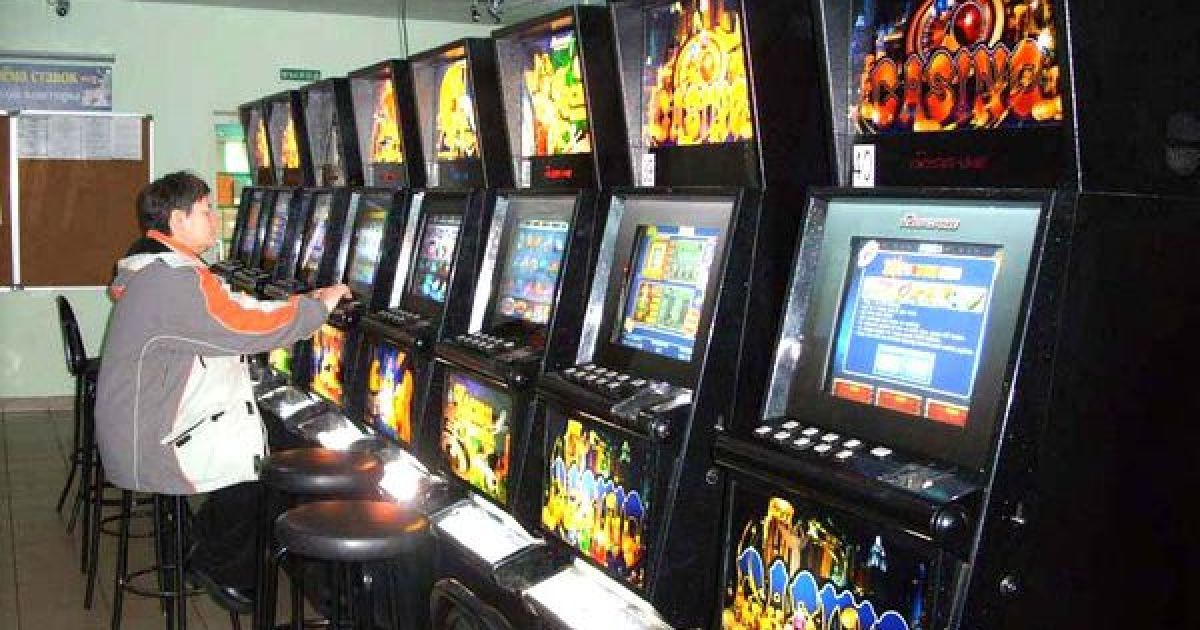
Technological advancements further revolutionized the industry, introducing innovations such as electronic gaming machines and online platforms. These developments made gambling more accessible and appealing to a broader audience, shifting the paradigm from traditional brick-and-mortar establishments to virtual gaming experiences.
The Psychology Behind Gambling
Understanding the psychology of gambling is crucial for both players and operators. The thrill of risk, combined with the potential for significant rewards, creates an addictive allure. Many players engage in gambling as a means of escape or thrill-seeking, often leading to complex emotional relationships with gambling.
As gambling evolves, so do the strategies to entice players. Minimum Deposit Casinos have emerged as a significant trend, allowing newcomers to engage with real-money games without hefty financial commitments. This low-risk entry point appeals to the psychology of curiosity and experimentation, catering to those who may have previously been hesitant to gamble.
Exploring
Minimum Deposit Casino options represent a significant evolution in the gambling landscape, accommodating both seasoned players and newcomers. With platforms that offer gameplay with minimal initial investment, these casinos provide a unique opportunity to experience the thrill of gambling without the fear of substantial financial loss.
By offering enticing bonuses, such as free spins or low deposit promotions, these casinos create a welcoming environment. They not only provide entertainment but also allow players to explore a wide range of games, enhancing the overall gaming experience while maintaining a sense of security and affordability.